The Hidden Risks of Rideshare Driving in California
You’re driving for Uber or Lyft in California. Maybe you’re picking up folks in Ventura County, or shuttling commuters across the Valley, or just making a few extra bucks on weekends in the Inland Empire. You’ve got your personal auto insurance, right? And the rideshare company has *some* coverage, doesn’t it? The short answer is yes. The real answer is far more complicated, and it’s where many drivers get into serious trouble without even knowing it.
Most people don’t realize their personal auto policy stops covering them the moment they open a rideshare app and mark themselves available. That’s right. It’s a commercial activity, and personal policies almost universally exclude commercial use. This isn’t some obscure loophole; it’s standard language in nearly every policy out there. Your insurer might deny a claim if you’re involved in an accident while ridesharing, even if you don’t have a passenger in the car yet. That’s a huge problem.
Understanding the Rideshare Insurance Gap
Think of rideshare driving in three distinct phases. Each phase has different insurance implications, and understanding them is absolutely essential for any California driver.
Phase 1: App Off, Not Driving for Rideshare
This is simple. Your personal auto insurance covers you. You’re driving your car for personal reasons—going to the grocery store, visiting family, commuting to your day job. No rideshare app is on. Your standard policy works exactly as it should.
Phase 2: App On, Waiting for a Ride Request
Here’s where it gets interesting. You’ve opened the Uber or Lyft app, you’ve tapped “Go Online,” and you’re now waiting for a passenger request. You don’t have a passenger yet. You’re just cruising around, maybe heading towards a busy area in Los Angeles or waiting near a concert venue in San Diego. During this phase, your personal auto insurance policy generally provides zero coverage. It considers you to be engaged in commercial activity.
But wait — the rideshare companies *do* offer some limited coverage during this period. Uber and Lyft, for instance, typically provide third-party liability coverage—often around $50,000 per person for bodily injury, $100,000 per accident for bodily injury, and $25,000 for property damage. That sounds like something, right? It is. But it’s often far less than what you’d carry on your personal policy, and it doesn’t cover damage to your own car. If you’re hit by an uninsured driver, or if you cause an accident and your car needs repairs, you’re usually on your own. Your personal collision and comprehensive coverage won’t kick in. That’s the notorious “gap” period, and it’s a huge risk for drivers across California.
Phase 3: App On, Passenger in Car (or En Route to Pick Up)
Once you’ve accepted a ride request and are either on your way to pick up a passenger or have a passenger in your car, the rideshare company’s insurance typically steps up significantly. Most rideshare companies offer $1 million in third-party liability coverage during this phase. They also usually provide contingent collision and comprehensive coverage, though it often comes with a hefty deductible—sometimes $2,500 or more.
This is much better protection, but it’s not perfect. That high deductible means you’re still on the hook for a lot of money if your car gets damaged. And remember, this coverage only applies *after* you’ve accepted a ride and *until* you drop off the passenger. The moment that passenger is out and you’re waiting for the next request, you’re back in Phase 2 with its much thinner protection.
Finding the Right Protection: Rideshare Endorsements
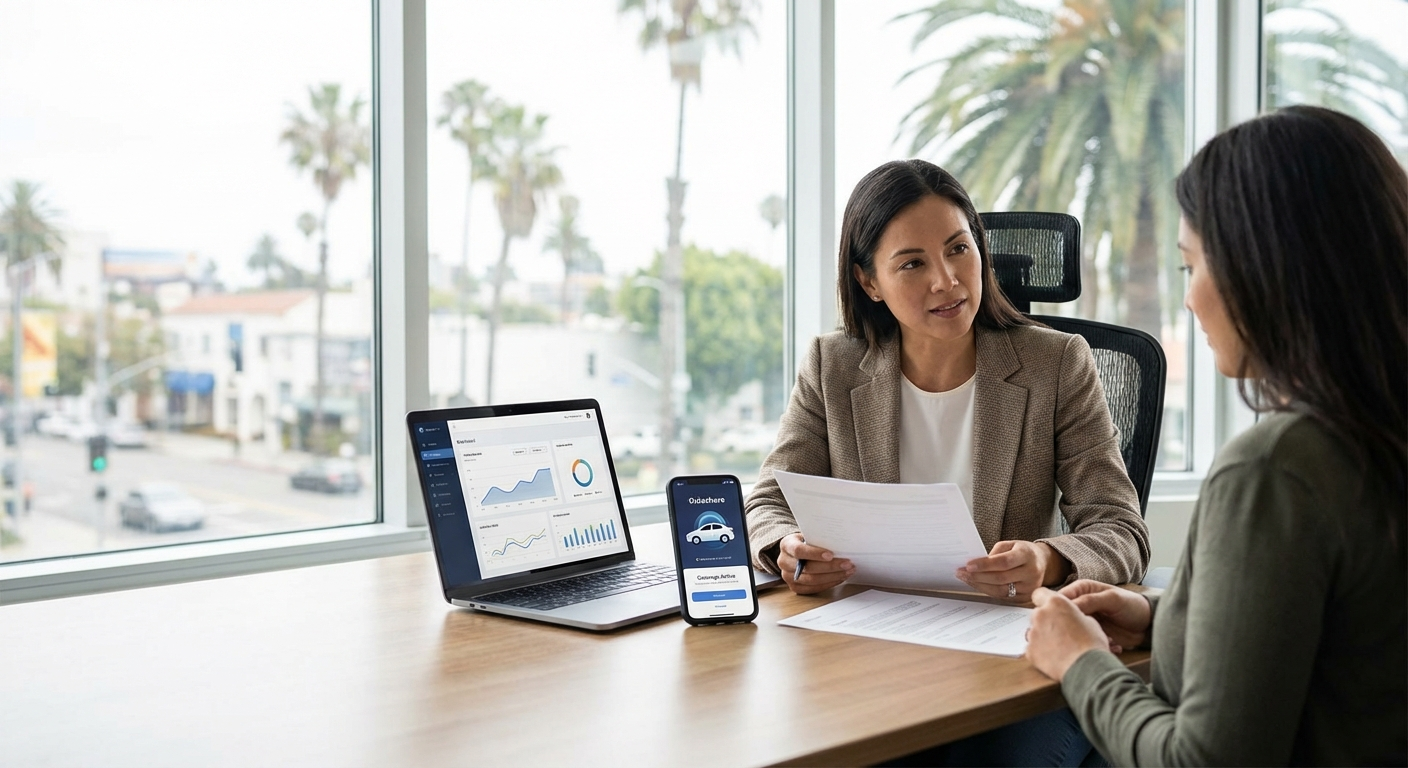
So, what’s a California rideshare driver to do? You can’t just hope for the best. Luckily, many insurance companies have recognized this gap and now offer specific rideshare endorsements or “hybrid” policies.
These endorsements are add-ons to your personal auto insurance policy. They’re designed to bridge the gap between your personal coverage and the rideshare company’s coverage, specifically during Phase 2. When you add a rideshare endorsement, your personal insurer agrees to extend some level of coverage when you’re available for rideshare requests but don’t have a passenger.
Some major insurers, like State Farm, AAA, and Farmers, offer these types of endorsements in California. The specifics vary, of course. Some might extend your personal collision and comprehensive coverage to Phase 2, often with your standard deductible. Others might offer a more limited form of liability. The cost for these endorsements also varies wildly depending on your driving record, the type of car you drive, where you live (driving in downtown San Francisco is different from driving in Bakersfield), and the insurer.
Honestly, getting one of these endorsements is probably the smartest move for most part-time rideshare drivers. It closes that dangerous gap and gives you peace of mind. Without it, you’re essentially driving uninsured for a significant portion of your time on the road.
Commercial Auto Insurance: A Different Path
For drivers who treat ridesharing as a full-time job, or who drive for multiple apps, a rideshare endorsement might not be enough. In these cases, a full commercial auto insurance policy could be necessary.
Commercial policies are designed specifically for vehicles used for business purposes. They offer broader coverage and higher limits than personal policies, and they don’t have the same “gap” issues. The downside? They’re generally more expensive. Much more expensive. But if you’re putting 40+ hours a week on the road for rideshare, the increased cost might be worth the complete protection.
Which brings up something most people miss. Deciding between a rideshare endorsement and a commercial policy isn’t just about cost; it’s about your exposure. If you’re driving 10 hours a week, an endorsement might be fine. If you’re driving 50 hours, navigating the busy freeways around Orange County or the winding roads of the Bay Area, your risk is much higher. A commercial policy could be the only way to truly protect your assets.
Why Talk to an Expert?
The California insurance market is complex, regulated by things like Proposition 103, which means new products and rate changes go through a rigorous approval process. This impacts how quickly insurers can adapt to new trends like ridesharing and what they can offer. What works for a driver in Sacramento might not be the best fit for someone in San Diego.
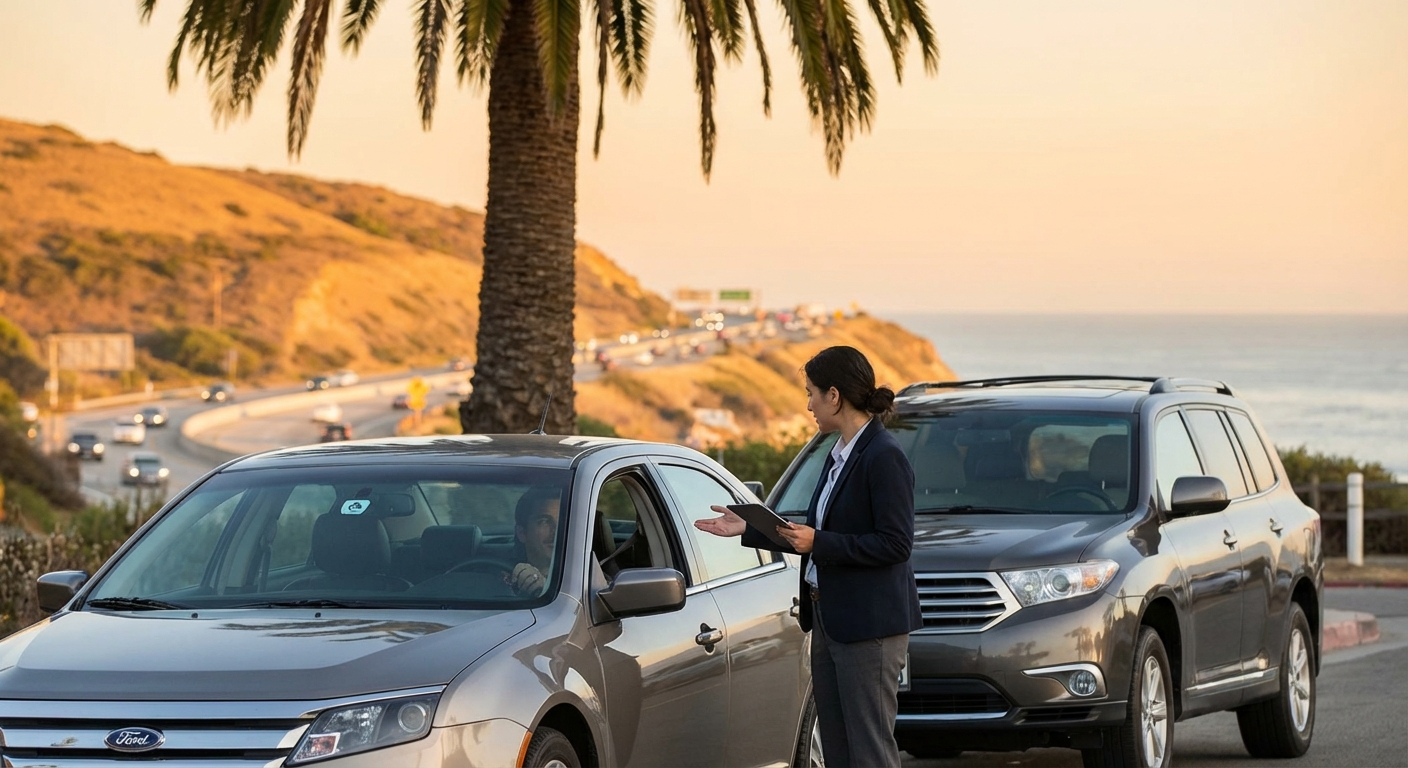
That’s why it’s so important to talk to someone who understands the nuances. Karl Susman, at LA Car Insurance Quotes, CA License #OB75129, has helped countless California drivers sort through these exact issues. He’s seen firsthand the heartache when a driver gets into an accident and finds out they’re not covered. An independent agent can compare options from multiple carriers—State Farm, Progressive, GEICO, AAA, Farmers, and others—to find the right fit for your specific situation. They can explain the deductibles, the limits, and what exactly is covered (or not covered) during each phase of your rideshare driving.
Don’t guess when it comes to your financial security. A quick conversation could save you thousands of dollars and immense stress down the road.
Ready to explore your rideshare insurance options? Get a quote today!
Frequently Asked Questions About California Rideshare Insurance
Does my personal auto insurance cover me when I’m driving for Uber or Lyft?
Almost certainly not. Most personal auto policies explicitly exclude coverage for commercial activities, which includes driving for rideshare companies. The moment you turn on the app and make yourself available, your personal policy generally stops covering you.
What kind of insurance do Uber and Lyft provide?
Rideshare companies provide limited liability coverage when you’re waiting for a request (Phase 2), and much more robust liability and contingent collision/comprehensive coverage once you’ve accepted a ride or have a passenger (Phase 3). However, there’s a significant gap in coverage during Phase 2, and the deductibles for company-provided collision/comprehensive can be very high.
What is a rideshare endorsement?
A rideshare endorsement is an add-on to your personal auto insurance policy that extends some of your personal coverage (like collision and comprehensive) to the “gap” period when you’re available for rideshare requests but don’t yet have a passenger. It helps bridge the difference between your personal policy and the rideshare company’s coverage.
Is a rideshare endorsement expensive?
The cost varies significantly based on your insurer, your driving record, your vehicle, and your location in California. It’s an additional cost, but it’s typically far less expensive than a full commercial auto policy and provides crucial protection that you otherwise wouldn’t have.
Should I get a rideshare endorsement or a full commercial auto policy?
For most part-time rideshare drivers, a rideshare endorsement is usually sufficient and more cost-effective. If you drive full-time, put in many hours, or drive for multiple apps, a full commercial auto policy might offer more comprehensive protection, but it will also be more expensive. It’s best to discuss your specific situation with an experienced agent like Karl Susman at LA Car Insurance Quotes, CA License #OB75129, who can help you weigh the pros and cons.
Don’t leave your financial security to chance. Contact us for a personalized rideshare insurance quote.
This article is for informational purposes only and does not constitute financial advice.