
Understanding Your California Good Driver Discount
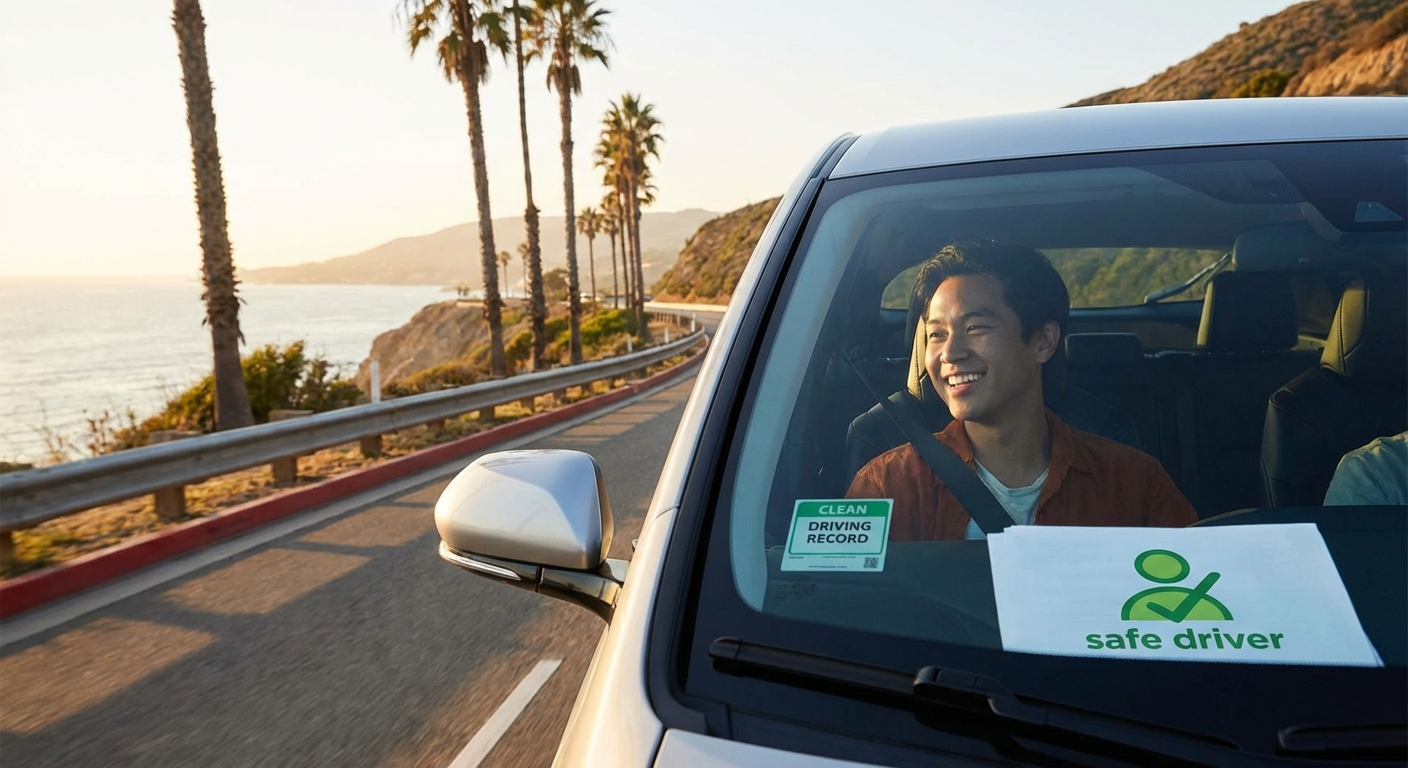
Driving in California, you know a few things for sure: traffic can be a nightmare, gas prices sting, and car insurance often feels like a necessary evil. But here’s something that can actually work in your favor: the good driver discount. It’s not just a perk some insurance companies offer; it’s a fundamental part of California law, thanks to Proposition 103, passed way back in 1988. This isn’t some small, optional savings; it’s a mandatory 20% reduction off your base rate if you meet certain criteria.
For many drivers across the state, from the busy freeways of Los Angeles to the quieter roads of Ventura County, this discount is a significant piece of their insurance puzzle. It’s designed to reward safe driving, pure and simple. But like many things in the insurance world, it’s not always as straightforward as it sounds. You might qualify, but still feel like your premiums are high. We’ll get into why that happens, and what you can do about it.
What Exactly Qualifies You as a “Good Driver”?
The definition of a “good driver” in California isn’t left up to each insurance company to decide. The state laid it out clearly. To qualify for that mandatory 20% discount, you need to have been licensed to drive for at least three years. That’s the first hurdle.
The Clean Record Rule
The second, and perhaps most important, rule is your driving record. For the past three years, you must not have more than one “point” on your record. This means no more than one at-fault accident where you caused bodily injury or property damage. It also means no more than one moving violation — things like speeding tickets, running a stop sign, or an illegal turn. Drunk driving convictions? Forget about the good driver discount for a while. Those stay on your record for a long time and disqualify you immediately.
What Counts as a Point?
So, what exactly adds a point to your record? Generally, a minor traffic violation, like a speeding ticket, is one point. An at-fault accident, even a minor fender bender, can also be one point. More serious offenses, such as reckless driving or a DUI, carry multiple points and will definitely knock you out of good driver status. Remember, these points typically stay on your record for three years. If you get a ticket or have an accident, that three-year clock essentially resets for that specific incident. It’s a bit like a probation period.

The 20% Discount – It’s the Law, But There’s a Catch
Yes, Prop 103 mandates that if you’re a good driver, your insurer *must* give you at least a 20% discount on your base rate. That’s a big deal. It means companies like State Farm, AAA, Farmers, and all the others operating in California can’t just ignore your clean record. They have to give you that break.
But here’s the thing. While the discount is mandatory, it applies to your *base rate*. Your final premium is built from many different factors. So, while you get that 20% off, other elements can still push your overall premium higher. Think of it this way: if your base rate is $1,000, you get $200 off. But if your insurer’s overall rates are high for other reasons, that $800 might still feel expensive. This is where it gets interesting.
Beyond the Basics: Other Ways Insurers Reward Good Driving
The good driver discount is just the starting point. Many insurers offer additional savings that can stack on top of that mandatory 20%. These aren’t mandated by law, but they’re common ways to cut down your premium.
Low Mileage Can Help
Do you work from home in the Inland Empire? Or maybe you just don’t drive much around San Diego? If you put fewer miles on your car than the average driver, many insurance companies will offer a low-mileage discount. It makes sense, right? Less time on the road means less risk of an accident. Make sure your agent knows your estimated annual mileage. It could save you a decent chunk of change.
Telematics: The “Big Brother” Discount
Some insurers offer programs where you install a device in your car or use a mobile app that tracks your driving habits. This is called telematics. It monitors things like how hard you brake, how fast you accelerate, and even what time of day you drive. If you prove you’re a consistently safe driver through these programs, you can often earn additional discounts. It’s not for everyone – some people don’t like the idea of their driving being monitored – but for those who are comfortable with it, the savings can be substantial.
Defensive Driving Courses
Completing an approved defensive driving course can sometimes qualify you for a discount. These courses refresh your knowledge of traffic laws and teach you strategies for avoiding accidents. They’re especially popular for younger drivers or those looking to reduce points on their record, though the latter often has specific rules.
Why Your Good Driver Discount Might Not Feel Like 20%
You’ve got a clean record. You’ve been driving for years. You’re getting your 20% good driver discount. So why does your premium still feel like it’s climbing higher than the Hollywood sign? The short answer is yes, you’re getting the discount. The real answer is more complicated.
The Cost of Doing Business in California
California is, frankly, an expensive place to insure a car. Premiums jumped significantly between 2022 and 2024 for many drivers. Why? A few reasons. The cost of car repairs has soared. Parts are more expensive, and labor costs are high. Medical costs for injuries in accidents are also up. Then there’s the increasing frequency and severity of natural disasters, like the devastating wildfires that have impacted areas from the Sierra Nevada foothills to Southern California. While these often hit homeowners insurance hardest, the overall risk environment in the state affects all types of insurance. Insurers are facing higher payouts, and those costs inevitably get passed on to policyholders.
Your ZIP Code Matters More Than You Think
Even with a perfect driving record, where you live and park your car makes a huge difference. If you live in a dense urban area like downtown San Francisco or parts of Los Angeles, you’re statistically more likely to be involved in an accident or have your car stolen than someone living in a rural part of Northern California. Insurers look at claims data for specific ZIP codes. High theft rates or frequent accidents in your neighborhood will push your premium up, even if you’re the safest driver on the road.
Which brings up something most people miss. Even your specific vehicle plays a role. A brand-new luxury SUV is generally more expensive to insure than an older, more modest sedan. Why? Because it costs more to repair or replace. Its safety features might reduce injury claims, but collision and comprehensive claims can be pricey.
Keeping Your Good Driver Status
Maintaining your good driver status is pretty straightforward: drive safely. Pay attention. Don’t speed. Avoid distractions like your phone. It sounds simple, but it’s easy to get complacent. One small mistake, one distracted moment, and that clean record can be gone, along with your mandatory discount.
If you do get a ticket for a minor infraction, sometimes traffic school can help prevent the point from appearing on your record. Always check with the court and your insurance agent about your options. It’s usually worth the time and small fee to keep that record clean.
Finding the Best Rates – Even With a Clean Record
Even with a good driver discount, it’s always a smart move to shop around. Different insurance companies have different rating structures, and what might be a great rate with State Farm for one driver might not be the best with AAA for another, even if both have clean records. Some specialize in certain demographics or vehicle types.
This is where an independent agent like Karl Susman of LA Car Insurance Quotes comes in handy. With CA License #OB75129, Karl and his team work with multiple carriers. They can compare quotes from various companies to find you the best possible rate, ensuring you’re getting all the discounts you qualify for, including that crucial good driver discount. You don’t have to do all the legwork yourself.
Ready to see how much you could save? Get a personalized quote today and let Karl Susman help you navigate the options: https://lacarinsurancequotes.com/get-a-quote/
What if You Lose Your Good Driver Status?
Life happens. Maybe you had an unfortunate accident, or perhaps you got a couple of tickets in a short span. If you lose your good driver status, your premium will almost certainly go up. That 20% discount vanishes, and you might even face surcharges for having a less-than-perfect record.
But it’s not the end of the world. Points eventually fall off your record. Typically, after three years, those incidents no longer count against you for good driver status. So, focus on driving safely during that time, avoid any further incidents, and you’ll eventually requalify for that valuable discount. It takes patience and discipline.
The Future of CA Insurance and Good Driver Discounts
The California insurance market is always changing. We’ve seen shifts with credit score usage, and there’s constant discussion around how to best rate drivers. But the good driver discount, rooted in Prop 103, remains a cornerstone. It’s a testament to the idea that safe driving should be rewarded. As technology advances, with more cars having advanced safety features and telematics becoming more common, the ways insurers assess risk will evolve. But the core principle of giving a break to responsible drivers will likely stay.
Frequently Asked Questions About California Good Driver Discounts
Does a parking ticket affect my good driver discount?
No, generally a parking ticket is not a moving violation and won’t add points to your driving record, so it won’t affect your good driver discount.
How long do I need to be licensed to qualify?
You must have been licensed to drive for at least three years to qualify for the good driver discount in California.
Can my insurance company deny me the good driver discount if I qualify?
No. If you meet the state’s definition of a “good driver,” your insurance company is legally required by Proposition 103 to offer you at least a 20% discount on your base rate.
What if I had an accident that wasn’t my fault?
An accident that was clearly not your fault typically won’t add a point to your record and shouldn’t disqualify you from the good driver discount. However, it’s always best to confirm with your insurance agent.
If I get a ticket, how long until I can get the discount back?
Points from tickets or at-fault accidents usually stay on your record for three years. Once those three years have passed without further incidents, you should requalify for the good driver discount.
Don’t let the complexities of California car insurance keep you from getting the best rates. Let an expert help. Contact Karl Susman at LA Car Insurance Quotes, CA License #OB75129, or get a free quote online: https://lacarinsurancequotes.com/get-a-quote/
This article is for informational purposes only and does not constitute financial advice.