
Why Your Classic Isn’t Just Another Car
You’ve got a classic. Maybe it’s a ’69 Mustang you’ve meticulously restored, a pristine ’57 Chevy, or a rare European sports car that turns heads on Pacific Coast Highway. It’s more than just transportation. It’s an investment, a passion, a piece of history. So why would you insure it like a daily driver?
Honestly, you shouldn’t. Standard auto insurance policies, the kind you get for your Honda Civic or Toyota RAV4, just don’t cut it for these special vehicles. They’re built for depreciation, for cars that lose value every year. Your classic? It’s often doing the opposite. It’s appreciating. Big difference.
The problem comes down to how standard policies pay out after a total loss. They use something called “actual cash value.” That means they’ll give you what the car was “worth” right before the accident, factoring in depreciation. For a classic, that calculation is almost always a huge disappointment. It won’t cover what you’ve put into it, let alone its true market value.
Here’s where it gets interesting. Classic car insurance is different. It recognizes the unique value of your vehicle. It’s designed to protect that investment, not just get you back on the road in something lesser.
What Makes a Car “Classic” for Insurance?
It’s not just about age. While most insurers consider a car “classic” once it hits 25 or 30 years old, that’s not the only factor. A brand-new limited-production supercar, for instance, might qualify for classic or exotic car coverage because of its rarity and expected appreciation. Same goes for a custom hot rod built from the ground up, or a meticulously restored vintage truck.
Insurers look at several things. How old is it? Is it in original or restored condition? How many miles do you put on it each year? Most classic policies have mileage caps, often around 2,500 to 5,000 miles annually. This makes sense; these cars aren’t typically used for grocery runs down Ventura Boulevard or the daily grind through the Inland Empire.
Where do you keep it? Insurers prefer secure, enclosed storage. A garage in a safe neighborhood beats a carport on a busy street. They’re protecting something valuable, after all.
Agreed Value: The Heart of Classic Coverage
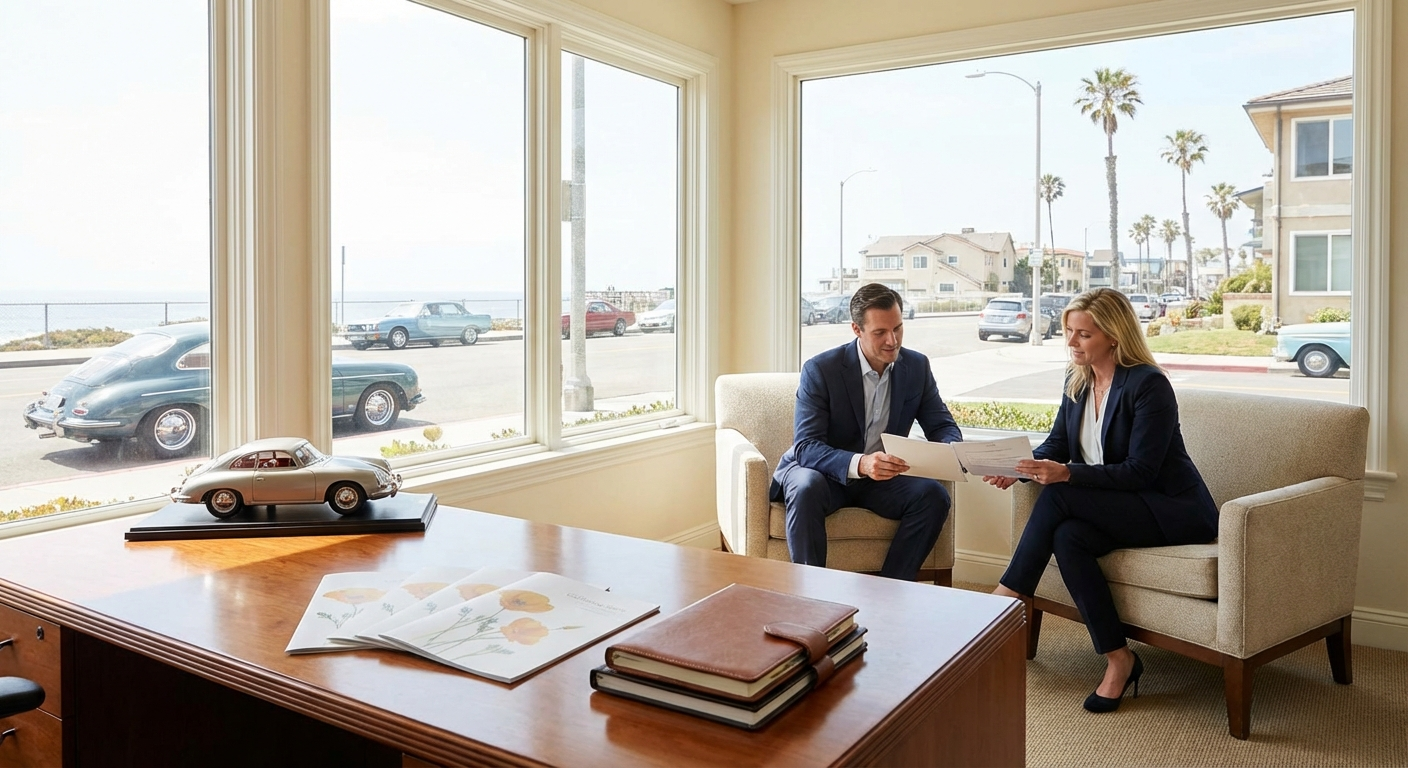
This is the big one. This is the main reason classic car insurance exists. With an “agreed value” policy, you and the insurer agree on your car’s value before you even buy the policy. This figure is usually based on professional appraisals, market research, and the car’s condition.
If your classic is ever a total loss – stolen, totaled in an accident, or destroyed in something like the 2025 LA fires – the insurer pays you that exact agreed-upon amount. No haggling, no depreciation deductions. It’s a straightforward payout that truly reflects your car’s worth. That’s peace of mind for anyone with a significant investment in their vehicle.
Beyond the Basics: Special Coverages for Your Prized Possession
Classic car insurance isn’t just about agreed value. It offers specialized protections that standard policies simply don’t. These coverages acknowledge the unique circumstances of owning and maintaining a vintage vehicle.
Restoration Coverage
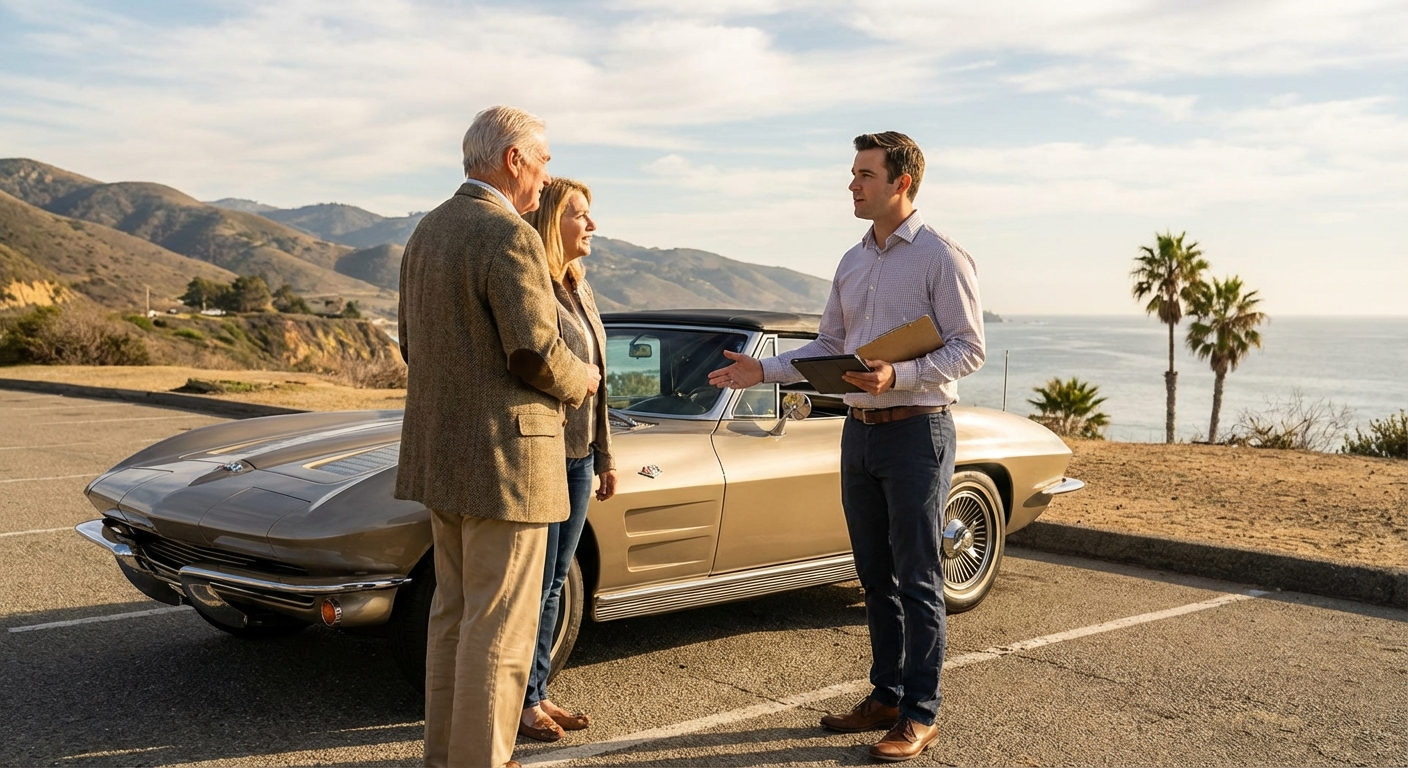
Many classics are works in progress. Maybe you’re slowly bringing a barn find back to life, or adding custom touches. Some policies offer coverage for your car while it’s actively being restored. This can protect the vehicle and its parts, even when they’re disassembled. It’s a smart move if your project car is stored off-site at a shop or if you’re doing extensive work yourself.
Spare Parts Coverage
Got a collection of rare carburetors, original trim pieces, or an extra engine block for your classic? Many enthusiasts do. These parts can be incredibly valuable, sometimes costing thousands of dollars. A good classic policy can include coverage for your spare parts, protecting them from theft or damage, even if they’re not attached to the car.
Roadside Assistance
A flat tire or an unexpected breakdown can be a nightmare in a classic. You don’t want your meticulously painted ’67 Corvette dragged onto a flatbed by its frame. Classic car roadside assistance often includes specialized services like flatbed towing or even enclosed transport, ensuring your car is handled with the care it deserves. They understand the unique needs of these vehicles, from a broken fan belt in the desert near Palm Springs to an electrical glitch on a coastal drive.
Tour & Rally Coverage
You bought it to drive it, right? To show it off at Cars & Coffee in Malibu, or take it on a rally through the wine country. Some policies offer specific coverage for events like tours, rallies, and club events. This can extend your protection beyond just casual driving, covering the unique risks associated with these gatherings.
Death, Theft, and Disappearance
It’s the worst-case scenario. Your classic is stolen from your locked garage in Orange County, or it’s totaled in an unavoidable accident. Beyond the agreed value payout, some policies offer additional benefits. Maybe it’s a rental car allowance — though finding a rental that matches your classic’s style might be tough! More importantly, the agreed value ensures you can start the search for your next dream car without financial distress.
The California Angle: What You Need to Know
California is a unique place for car enthusiasts. We’ve got the weather, the car culture, and, let’s be honest, some complex insurance rules. Prop 103, for instance, has a huge impact on all insurance rates here, including classic car policies. It means rates have to be approved by the Department of Insurance, which can sometimes slow things down or limit options.
You might find that some of the big-name insurers like State Farm, AAA, or Farmers, while great for your daily drivers, aren’t always the best fit for classic car coverage. They might offer a “stated value” policy, which sounds similar to “agreed value” but isn’t. Stated value means they *might* pay up to that amount, but they reserve the right to pay less if they determine the actual cash value was lower. That’s a trap for classic owners.
But wait — there are specialized insurers who focus only on classics. These companies understand the market, the values, and the unique risks. They’re often more flexible and offer better terms for these special vehicles.
California’s geography and climate also play a role. If you live in a high-fire-risk area, say, parts of the Santa Monica Mountains or the foothills of the Sierra Nevada, your storage location becomes even more important. Theft rates in major metropolitan areas like Los Angeles or the Bay Area also factor in. And, of course, our smog laws. While many truly classic cars are exempt, modifications can sometimes create issues, so it’s always good to be clear with your insurer about any custom work.
Getting the Right Policy: Your Next Steps
Finding the right classic car insurance isn’t something you want to rush. It requires a bit of homework and, ideally, the help of someone who knows the ropes.
Working with an independent insurance agent is often the smartest move. They don’t work for just one company. They work for you. They can shop around with multiple specialized classic car insurers to find the best fit for your specific vehicle and needs. They understand the nuances of agreed value, restoration coverage, and all the other details that matter.
Karl Susman and the team at LA Car Insurance Quotes know California insurance inside and out. They’ve been helping folks protect their prized possessions for years. You can reach them at (877) 411-5200. Their CA License #0B75129 means they’re licensed and ready to help you navigate the options.
Before you even talk to an agent, get your ducks in a row. Have recent appraisals for your classic. Keep detailed records of any restoration work, parts purchases, and maintenance. Photos, too. The more documentation you have, the smoother the process will be, and the more accurately your car’s value can be assessed.
Ready to see what options are out there for your classic? Get a quote today and protect your investment.
Common Misconceptions About Classic Car Insurance
Many people assume things about classic car coverage that just aren’t true. Let’s clear up a few of the big ones.
First, “It’s just for really old cars.” Not always. As we touched on, a new, limited-production exotic car or a highly customized modern muscle car might also qualify. It’s about rarity, condition, and value, not just the year it rolled off the assembly line.
Then there’s, “My regular insurer can handle it.” They might *offer* something, but it’s rarely the specialized protection your classic needs. Their standard policies are designed for different risks and different values. Trying to force a square peg into a round hole usually leaves you underinsured.
Another common thought: “It’s super expensive.” Surprisingly, classic car insurance can often be *cheaper* than standard auto insurance for a comparable vehicle. Why? Because insurers know you’re not driving it every day. You’re careful with it. You store it securely. These factors reduce the risk of accidents and theft, which translates to lower premiums.
Don’t let these myths keep you from getting the right protection. Your classic deserves better.
For a personalized approach and expert advice on insuring your classic in California, start your quote here.
Frequently Asked Questions About California Classic Car Coverage
Can I drive my classic daily in California?
Generally, no. Most classic car policies come with mileage restrictions, typically between 2,500 and 5,000 miles per year. These policies are designed for pleasure use, not daily commuting. If you drive it more often, you might need a different type of specialized policy or a conversation with your agent about your specific usage.
What if my classic car is modified or customized?
Many classics have modifications, from engine upgrades to custom paint jobs. It’s perfectly fine, but you absolutely must tell your insurer about all modifications. These changes can significantly increase the car’s value, and you’ll want to ensure they’re included in your agreed value. An appraisal that details these modifications is key.
Does mileage affect my classic car premium?
Yes, it does. Lower annual mileage usually means lower premiums. Insurers see less driving as less risk. Be honest about your estimated mileage; exceeding the agreed-upon limit could jeopardize your coverage in the event of a claim.
Do I need a special license to drive a classic car in California?
No, you don’t need a special license just for driving a classic car. A standard California Class C driver’s license is sufficient for most classic vehicles, as long as they meet the legal requirements for road use.
Are there specific storage requirements for classic car insurance in California?
While specific requirements can vary by insurer, most classic car policies prefer secure, enclosed storage. This typically means a locked garage. Parking your classic on the street or in an open carport might make it harder to get coverage or could lead to higher premiums, especially in areas with higher theft rates or environmental risks like the Valley.
This article is for informational purposes only and does not constitute financial advice.