
What You’ll Learn
- What an SR22 is and why California drivers need one.
- Common reasons the CA DMV requires an SR22 filing.
- How an SR22 impacts your auto insurance rates and options.
- A step-by-step guide to fulfilling your SR22 requirement.
- The consequences of letting your SR22 coverage lapse.
- Practical tips for finding affordable SR22 insurance in California.
Understanding the SR22 in California: What It Is and Why You Might Need It
Picture this: You’re driving along, maybe on the 101 through Ventura County, feeling pretty good. Then something happens, and suddenly, you’re facing a California DMV requirement that sounds a bit like a robot name: SR22. What in the world is an SR22, anyway?
Honestly, it’s not a type of insurance. Not really. An SR22 is actually a certificate, a piece of paper (or, more commonly now, an electronic filing) that your insurance company sends to the California Department of Motor Vehicles. This certificate proves you have the minimum liability auto insurance coverage required by the state.
But here’s the thing. Most drivers don’t need an SR22. It’s a special requirement, usually for drivers who’ve had some kind of serious traffic infraction or legal issue. The DMV wants extra assurance that you’re financially responsible enough to cover damages if you cause another accident. They’re basically saying, “Prove it.”

The Road to an SR22: Common Reasons in California
So, why would the California DMV ask for this specific proof? Several situations can trigger an SR22 requirement. It’s almost always tied to a serious driving offense or a lapse in financial responsibility.
For instance, if you’ve been convicted of a DUI or DWI in California, an SR22 is practically a given. That’s a big one. But it’s not the only reason. Let’s say you were involved in an at-fault accident, and you didn’t have any car insurance at the time. The DMV will likely suspend your license and demand an SR22 before you can get back behind the wheel.
Other common triggers include: too many points on your driving record in a short period — think multiple speeding tickets or minor accidents piling up. Sometimes, it’s a failure to pay court-ordered damages from an accident. Or maybe you’ve had your license suspended or revoked for some other reason, and the SR22 is part of the reinstatement process. The DMV won’t budge until they see that filing. It’s their way of making sure you’re serious about staying insured.
How an SR22 Filing Changes Your Auto Insurance Picture
You’ve got the requirement. Now what? The biggest, most immediate impact of an SR22 is usually on your auto insurance premiums. When an insurer files an SR22 for you, it tells them you’re considered a “high-risk” driver. Insurers use this label to gauge how likely you are to file a claim. High-risk drivers, naturally, are seen as more likely to cost the insurance company money.
This means your rates will almost certainly go up. How much? It varies wildly. Someone with a single DUI might see a different increase than someone who caused an accident without insurance and has a history of tickets. Some drivers in areas like the Inland Empire or parts of the Valley might see rates jump significantly, reflecting both their risk profile and regional insurance trends.
That’s not the whole story. Not every insurance company wants to cover high-risk drivers. Some insurers simply won’t offer policies to people who need an SR22 filing. This can make finding coverage a bit more challenging, especially if you’re used to just going with the big-name companies you see on TV.
Finding the Right Policy When You Need an SR22
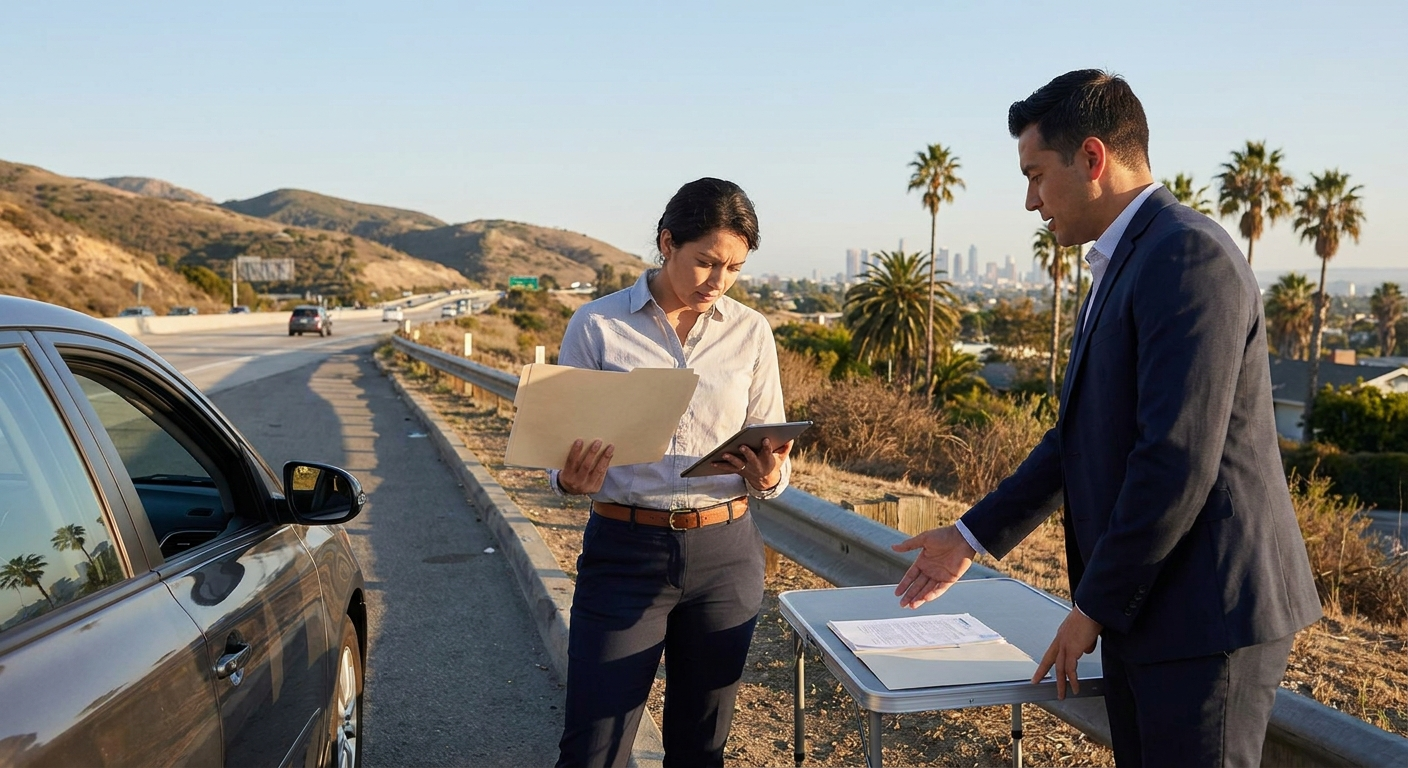
So, you’re looking at higher premiums and fewer options. It can feel a little overwhelming. But you do have choices. Many insurance companies specialize in covering drivers who need an SR22. These companies understand the situation and are set up to work with you.
The key here is to shop around. Don’t just take the first quote you get. Different insurers have different ways of calculating risk and setting rates, even for SR22 drivers. What one company considers too risky, another might be perfectly willing to insure, albeit at a higher price.
This is where an independent insurance agent can be a real asset. Someone like Karl Susman, with LA Car Insurance Quotes (CA License #0B75129), works with multiple insurance providers. They can compare quotes from various companies that offer SR22 filings, helping you find the most affordable option that still meets California’s requirements. If you’re ready to see what your options are, get a personalized quote right now: Get Your California SR22 Quote
The Step-by-Step Process for Getting Your SR22 in California
Okay, let’s break down the actual steps. It’s not as complex as it might seem, but it does require attention to detail.
- Confirm the Requirement: First things first, make absolutely sure the California DMV or the court has officially told you that you need an SR22. You should receive specific documentation stating this. Don’t guess.
- Find an Insurer That Offers SR22 Filings: As we discussed, not all insurance companies provide this service. You’ll need to find one that does. An independent agent can definitely help here.
- Purchase or Adjust Your Auto Insurance Policy: Once you’ve found an insurer, you’ll either buy a new policy or have your existing one adjusted. The policy must meet California’s minimum liability coverage requirements. Your insurer will then issue the SR22 certificate.
- Your Insurer Files the SR22 with the DMV: This is the crucial part. Your insurance company electronically files the SR22 certificate directly with the California DMV. You don’t usually do this part yourself. They send the proof that you’re insured.
- DMV Reinstates Your License (if applicable): Once the DMV receives and processes the SR22 filing, and you’ve met all other requirements (paid fines, completed driving courses, etc.), they’ll reinstate your driving privileges. This can take a few days, so be patient.
See? It’s a clear path. Each step builds on the last, moving you closer to getting your license back and driving legally.
What Happens if Your SR22 Lapses or You Don’t File?
This is where it gets interesting. Or, rather, where it gets bad. Once you’re required to have an SR22, maintaining continuous coverage is absolutely essential. If you let your SR22 policy lapse for even a day, your insurance company is legally obligated to notify the California DMV. This is called an SR26 filing – a cancellation notice.
When the DMV gets that SR26, they don’t mess around. Your driver’s license will be immediately suspended again. You’ll be back to square one, facing fines, potential further legal trouble, and the hassle of getting your license reinstated all over again. It’s a cycle you really don’t want to get caught in. The DMV takes these filings very seriously because they’re all about ensuring financial responsibility on California roads.
How Long Do You Need an SR22 in California?
For most California drivers, the SR22 requirement lasts for three consecutive years from the date your license was reinstated. Three years. That’s a good chunk of time. During this period, you must maintain continuous SR22 auto insurance coverage.
But wait — there are exceptions. For more serious offenses, like multiple DUIs, the DMV might require the SR22 for a longer period. It’s not always a hard-and-fast three years. Your official notice from the California DMV will specify the exact duration of your SR22 requirement. Always double-check that document.
It’s important to remember that this isn’t a “set it and forget it” situation. You’ll need to stay on top of your policy, ensuring it doesn’t lapse for the entire duration of the requirement. Once the period is over, your insurer will typically send a final SR22 filing to the DMV, confirming you’ve completed your obligation.
Tips for Managing Your SR22 and Keeping Costs Down
An SR22 requirement can feel like a financial burden. Premiums jump, and suddenly, car insurance is a much bigger line item in your budget. But you’re not powerless. There are ways to manage the costs and make the best of the situation.
- Drive Safely, Always: This might sound obvious, but avoiding any further traffic violations or accidents is your number one priority. Every ticket or claim during your SR22 period will only drive your rates higher and potentially extend the requirement.
- Shop Around Aggressively: Don’t settle for the first quote. Seriously. Premiums for SR22 drivers can vary dramatically between insurance companies. What State Farm offers might be different from AAA, which might be different from Farmers, or a smaller, specialized insurer. Get multiple quotes.
- Ask About Discounts: Even with an SR22, you might still qualify for some discounts. Think about things like multi-car discounts, good student discounts (if applicable), or even defensive driving course discounts. It never hurts to ask your agent.
- Consider Higher Deductibles (Carefully): Raising your deductible can lower your premium. But be cautious here. Make sure you have enough savings to cover that higher deductible if you do get into an accident. Don’t put yourself in a worse financial spot.
- Maintain Continuous Coverage: We’ve said it before, but it bears repeating: do not let your SR22 policy lapse. The consequences are severe, and restarting the process will likely cost you more time and money.
- Work with an Independent Agent: This is a big one. An independent agent, like Karl Susman at LA Car Insurance Quotes (CA License #0B75129), can be your advocate. They don’t work for one specific insurance company. Instead, they work for you, searching through many different providers to find the best rates and coverage that meets your SR22 needs. They know which companies are more forgiving of certain infractions and can find options even in areas like the San Fernando Valley or Orange County where insurance markets can be competitive.
Don’t let an SR22 requirement leave you feeling stranded. Take the first step toward getting back on the road safely and legally. Start comparing your options today: Get an SR22 Insurance Quote
Frequently Asked Questions About California SR22 Filings
Can I get SR22 insurance without owning a car?
Yes, you absolutely can. This is called a “non-owner SR22” policy. It’s for people who need to satisfy an SR22 requirement but don’t own a car, perhaps because they drive borrowed cars or rentals. It provides liability coverage for you when you’re driving a non-owned vehicle.
What if I move out of California with an SR22 requirement?
This is a common question. Your SR22 requirement originates with the California DMV. If you move to another state, you’ll still need to fulfill the California SR22 requirement for the full duration. You’ll likely need to purchase a non-resident SR22 policy from an insurer licensed in California that can also file in your new state, or find an insurer in your new state that can file an out-of-state SR22 with the CA DMV. It’s a bit complicated, so it’s best to talk to an agent and the CA DMV.
Does my SR22 requirement expire automatically?
Not exactly. Your SR22 requirement has a specific end date set by the California DMV. Your insurance company will typically send a final filing to the DMV confirming you’ve maintained coverage for the required period. You won’t just wake up one day and be free of it without confirmation. It’s a good idea to confirm with the DMV directly once you believe your obligation is met.
Can I get SR22 insurance if my license is already suspended?
Yes, often you can. In many cases, getting an SR22 filing is a prerequisite to getting your suspended license reinstated. You purchase the policy, your insurer files the SR22 with the DMV, and once they process it (and you’ve met any other conditions, like paying fines), your license can be reinstated. You can’t legally drive until your license is reinstated, though.
Getting an SR22 in California isn’t ideal, nobody wants one. It’s a bump in the road, for sure, but with the right information and a little help, you can get past it and get back to driving legally and confidently.
This article is for informational purposes only and does not constitute financial advice.