
The Unseen Threat on California Roads: Why Uninsured Motorist Coverage Isn’t Optional
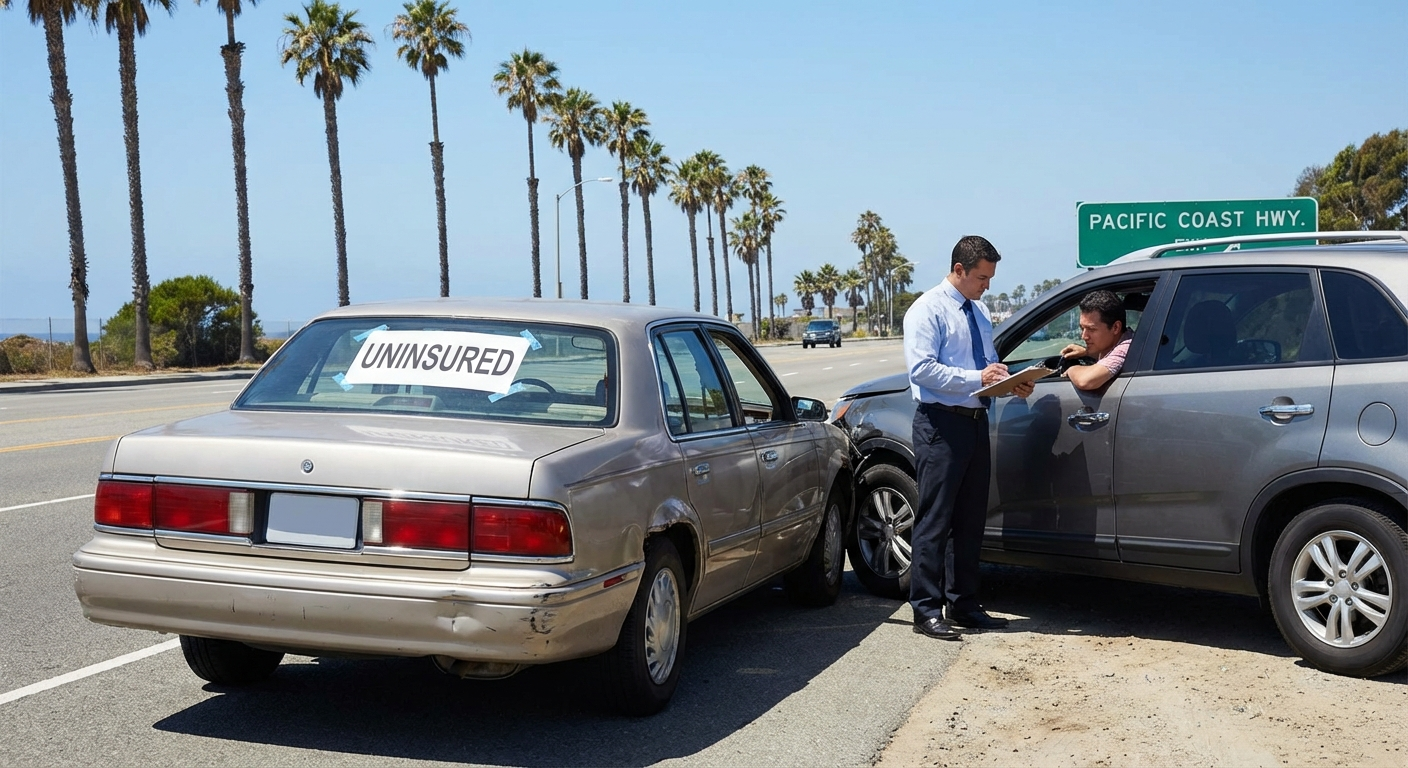
Picture this: You’re driving home from work, maybe cruising through Orange County or heading east into the Inland Empire. Suddenly, another car swerves, clips your bumper, and sends you spinning. You’re shaken, maybe a little hurt. The other driver pulls over. They seem fine. Then, the bad news. They don’t have insurance. Or worse, their policy has the bare minimum limits required by California law – a paltry $15,000 for bodily injury per person.
Here’s the thing. This isn’t some rare, unlucky scenario. It’s a surprisingly common headache for California drivers. Our state, for all its sunshine and innovation, has a significant number of uninsured or underinsured motorists sharing the asphalt. And when one of them hits you, your own insurance policy becomes your first line of defense. Specifically, your uninsured motorist coverage.
What Exactly Is Uninsured Motorist Coverage?
Simply put, uninsured motorist (UM) coverage is your safety net when the other driver isn’t properly insured. It steps in to pay for your medical bills, lost wages, and even pain and suffering if an uninsured driver hits you. Think of it as insurance for *you* against someone else’s irresponsibility.
California splits this protection into two main parts:
* Uninsured Motorist Bodily Injury (UMBI): This is the big one. It covers medical expenses, lost income, and even pain and suffering for you and your passengers if an uninsured driver causes an accident. It also applies if you’re hit by a hit-and-run driver who can’t be identified.
* Uninsured Motorist Property Damage (UMPD): This part covers damage to your car if an uninsured driver is at fault. It’s usually offered with a deductible, often around $250. Some drivers skip UMPD if they already have collision coverage, since collision would cover your car regardless of who’s at fault. But here’s where it gets interesting. If you use UMPD, you typically avoid paying your collision deductible. Big difference.
That’s not the whole story. Many policies also include *Underinsured Motorist (UIM)* coverage. This kicks in when the at-fault driver has insurance, but their limits are too low to cover all your damages. Say their policy only pays out $15,000, but your medical bills alone hit $50,000. UIM would cover the remaining $35,000, up to your policy’s limits. It’s an important distinction, because the minimum liability limits in California are often completely inadequate for even a moderate accident.
Why This Coverage Matters So Much in California
Honestly, it’s about protecting your wallet and your health. California’s minimum liability requirements — $15,000 per person for bodily injury, $30,000 per accident for bodily injury, and $5,000 for property damage — haven’t changed in years. They’re laughably low, especially with the rising cost of medical care in places like Los Angeles or even a smaller city in Ventura County. A single ambulance ride can eat up a good chunk of that $15,000 before you even see a doctor.
Many drivers, trying to save a buck, only carry these bare minimums. Others, sadly, drive with no insurance at all. Estimates vary, but a significant percentage of California drivers are either uninsured or underinsured. That means if you’re involved in an accident, there’s a real chance the other driver won’t have the means to pay for your injuries or car repairs.
Think about it this way: You pay your premiums to State Farm, AAA, or Farmers month after month. You expect to be protected. But if you skip UM coverage, you’re leaving a huge gap in that protection. You’re effectively betting that every driver you encounter on the 405 or the 5 will be fully insured and financially responsible. Not a great bet.
The “Waiver” Most People Don’t Understand
Here’s something most people miss. In California, auto insurance companies are *required* to offer you uninsured motorist coverage. You have to actively reject it in writing if you don’t want it. Many people, when signing up for a new policy online or quickly over the phone, might just click “decline” to save a few dollars without fully grasping what they’re giving up.
It’s a common mistake, and it can be a costly one. That small saving on your monthly premium could turn into tens of thousands of dollars out of your own pocket if you’re unlucky enough to be hit by an uninsured driver.
How UM Coverage Works When You Need It
Let’s say you’re involved in an accident. The other driver is at fault, but they’re uninsured.
1. Report the Accident: You’d file a claim with your own insurance company, just like you would for any other accident.
2. Investigation: Your insurer will investigate to confirm the other driver was indeed uninsured or underinsured and at fault. They’ll also assess your damages and injuries.
3. Settlement: If approved, your UM coverage will pay for your medical bills, lost wages, and other covered damages, up to your policy limits.
It works much like a liability claim would, but your own insurer steps into the shoes of the at-fault driver’s insurer. This process can still involve negotiations, especially for pain and suffering, but at least you have an avenue for recovery. Without UM, you’d be left suing the uninsured driver directly – a process that’s often long, expensive, and frequently fruitless, as uninsured drivers often don’t have significant assets to seize.
Is It Worth the Extra Cost?
The short answer is yes. The real answer is more complicated, but still leans heavily towards yes. UM coverage usually adds a relatively small amount to your overall premium. Compared to the potential financial disaster of being seriously injured by an uninsured driver, it’s a bargain.
Think about the rising costs. Premiums for auto insurance have jumped quite a bit recently, with some carriers seeing increases of 20-30% between 2022 and 2024. That’s due to many factors: more expensive car repairs, higher medical costs, and even the increasing frequency of severe weather events like the wildfires we saw near the Sierra Nevada foothills. It might feel like you’re paying more for everything. But cutting corners on UM coverage is often a false economy.
For a few extra dollars a month, you buy peace of mind. You buy protection against the unknown. You buy the ability to get the medical care you need without worrying about how you’ll pay for it if the other guy doesn’t have a dime.
Choosing Your UM Limits
How much UM coverage do you need? Most experts recommend matching your UMBI limits to your bodily injury liability limits. So, if you carry $100,000 per person and $300,000 per accident for liability, you should aim for the same for your UMBI.
Why? Because if you’re injured in an accident, your medical bills and lost wages could easily exceed those amounts. Imagine a serious crash on the 101 near Ventura, or a multi-car pile-up in the Valley. Hospital stays, surgeries, physical therapy – it all adds up fast. Having lower UM limits than your liability limits means you’re protecting others more than you’re protecting yourself. That doesn’t make much sense, does it?
Working with a Pro Makes a Difference
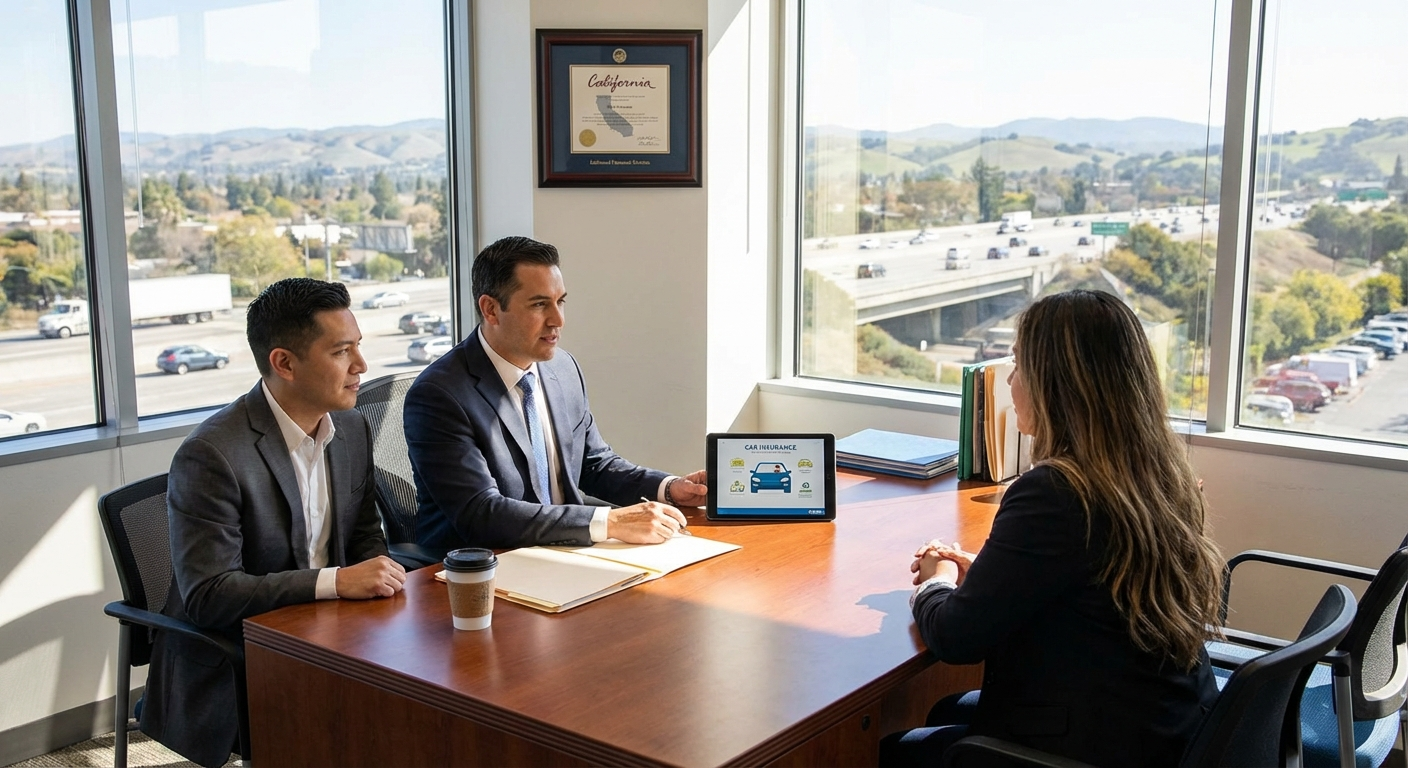
Navigating the various coverages, limits, and California-specific rules can be confusing. That’s where an experienced, local agent comes in. Someone like Karl Susman at LA Car Insurance Quotes knows the ins and outs of California auto insurance. He understands the local risks, whether you’re driving in San Diego or up in Sacramento. An agent can help you understand your options, explain the nuances of UM/UIM coverage, and make sure you’re not leaving yourself exposed. They’ll help you find the right balance between cost and protection, ensuring you’re not paying for coverage you don’t need, but also not missing something absolutely essential.
Don’t guess when it comes to your financial security after an accident. Get expert advice.
Ready to review your current auto insurance and make sure you’re fully protected? Don’t wait until it’s too late. Get a California auto insurance quote today.
Frequently Asked Questions About Uninsured Motorist Coverage in California
Does uninsured motorist coverage cover hit-and-run accidents?
Yes, if the at-fault driver cannot be identified, your Uninsured Motorist Bodily Injury (UMBI) coverage typically applies to cover your medical expenses and other damages. For property damage, you’d typically use your collision coverage or UMPD if you have it.
Is uninsured motorist coverage required in California?
No, it’s not legally required. However, insurance companies are mandated to offer it to you, and you must decline it in writing if you don’t want it. Most experts strongly recommend carrying it due to the high number of uninsured and underinsured drivers in the state.
What’s the difference between Uninsured Motorist and Underinsured Motorist coverage?
Uninsured Motorist (UM) coverage protects you when the at-fault driver has no insurance at all. Underinsured Motorist (UIM) coverage kicks in when the at-fault driver has insurance, but their policy limits aren’t high enough to cover all your damages. Many policies combine these two types of protection.
How much Uninsured Motorist coverage should I carry?
Generally, it’s a good idea to match your UMBI limits to your bodily injury liability limits. If you carry $100,000 per person and $300,000 per accident for liability, aim for the same for your UMBI. This ensures you’re as protected as you’re protecting others.
Will my rates go up if I use my Uninsured Motorist coverage?
In California, generally, your rates should not increase just because you file an Uninsured Motorist claim where you are not at fault. This is protected under Proposition 103, which prevents insurers from raising your rates for not-at-fault accidents.
For personalized guidance on your auto insurance needs and to ensure you have the right protection, contact Karl Susman at LA Car Insurance Quotes. He’s a licensed expert ready to help. CA License #0B75129. You can reach him at (877) 411-5200 or get a quote online today.
This article is for informational purposes only and does not constitute financial advice.