
That Sinking Feeling: When Your Car Gives Up on a California Road
You know the feeling. One minute, you’re cruising down the 101, maybe heading for a weekend getaway in Ventura County, or just making your daily commute across the Valley. The next? A strange noise, a sudden lurch, then silence. Or maybe it’s just a flat tire on a deserted stretch of highway out toward the Inland Empire. Your heart sinks. Panic starts to bubble up. You’re stuck.
For many Californians, this isn’t just a hypothetical nightmare. It’s a real, often frustrating, and sometimes scary situation. You might feel completely alone, wondering how you’ll get help, how much it’ll cost, and how long you’ll be stranded. Honestly, that sense of helplessness is one of the worst parts. Nobody wants to be stuck on the shoulder of the 5, watching cars fly by, especially when the sun’s beating down or it’s late at night.
But here’s the thing. You don’t have to face it alone. Most people don’t realize how much of a difference a simple addition to their car insurance policy can make. We’re talking about roadside assistance – that little extra that can turn a full-blown crisis into a manageable inconvenience.
More Than Just a Tow Truck
When folks hear “roadside assistance,” they often just picture a tow truck. And yes, towing is a big part of it. Your car breaks down, a tow truck comes, takes it to a shop. Simple enough. But that’s not the whole story. Roadside assistance covers a surprising array of common problems that can leave you stranded.
Think about it. How many times have you forgotten to turn off your headlights, only to find a dead battery in the morning? Or maybe you’ve hit a nail, and suddenly your tire’s going flat in a parking lot. Perhaps you ran out of gas because you misjudged the distance to the next station on a long desert drive. Or, in a moment of distraction, you locked your keys inside your car at the grocery store. These things happen. They happen all the time.
A good roadside assistance plan helps with all of these scenarios. It’s not just for major breakdowns. It’s for the everyday oops moments, too. Someone will come jump-start your car. They’ll change that flat tire for you, even if you don’t have a spare or can’t manage it yourself. They’ll bring you a few gallons of fuel to get you to the nearest pump. And yes, they’ll unlock your car door if your keys are playing hide-and-seek inside. These services, seemingly small, make a huge difference when you’re in a pinch.
Is It Really Worth the Extra Cost? The California Dilemma
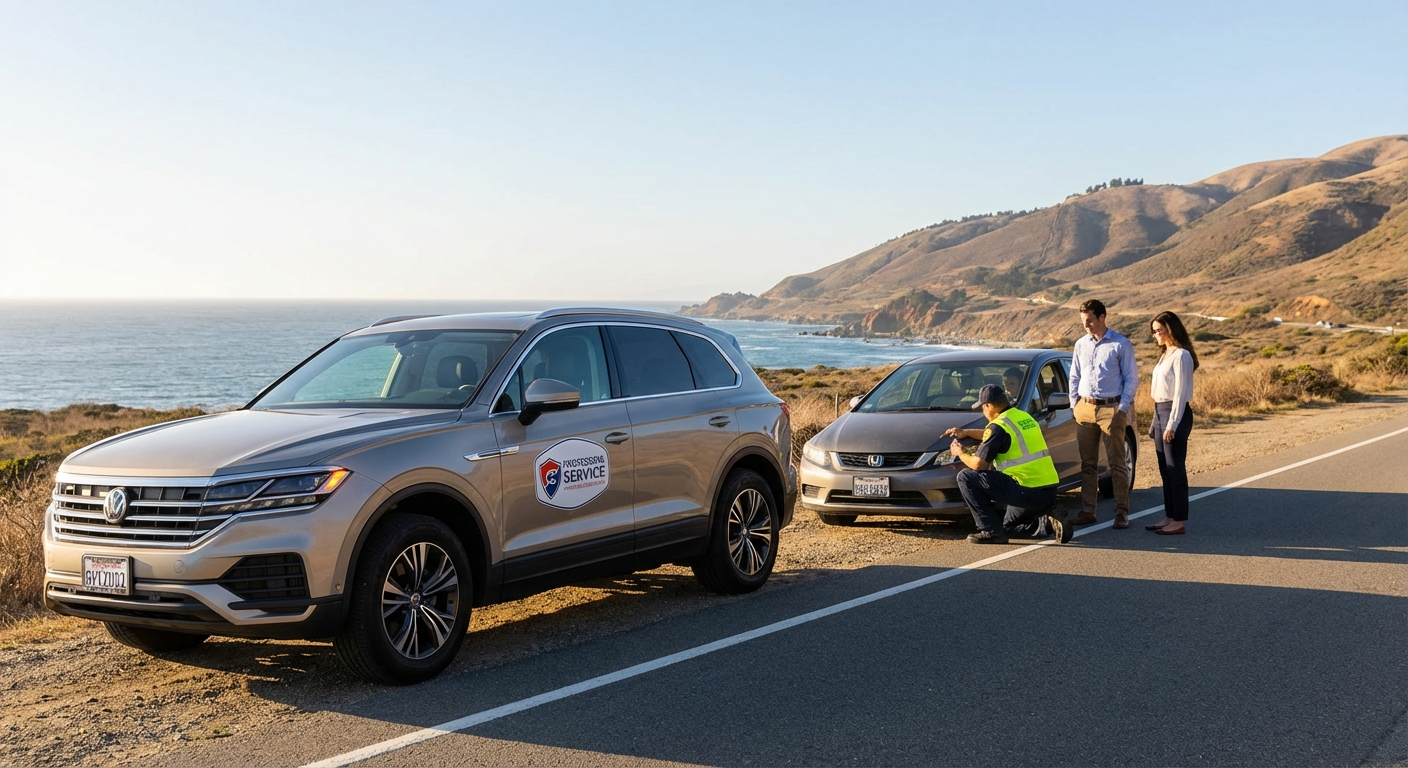
Some people look at their insurance bill and think, “Another add-on? Do I really need this?” It’s a fair question. Every dollar counts, especially with the rising cost of living here in California. Car insurance premiums themselves have jumped significantly for many, sometimes seeing increases of 20-30% between 2022 and 2024, depending on where you live and what kind of car you drive. Adding another line item might feel like a burden.
But let’s look at the numbers. What does a single tow cost without roadside assistance? In Los Angeles, or even a smaller city, you’re easily looking at $150 to $300 for a basic tow, especially if it’s after hours or a longer distance. If you’re stuck somewhere remote, like on a highway between Bakersfield and Fresno, that cost can skyrocket. A locksmith to open your car? Another $75 to $150. A jump start from a service? Maybe $50 to $100.
Now, compare that to the typical annual cost of adding roadside assistance to your car insurance policy. Often, it’s just a few dollars a month – maybe $25 to $75 per year. Sometimes even less. You can see how quickly one incident, just one single tow or flat tire service, can pay for years of coverage. It’s not just an expense; it’s an investment in your peace of mind and your wallet.
Insurance Policy or Membership? Understanding Your Options
Here’s where it gets interesting. You actually have a couple of different paths to get roadside help. You can add it directly to your existing auto insurance policy, or you can buy a separate membership from a dedicated roadside service provider.
Many major insurers in California, like State Farm, Farmers, GEICO, or Progressive, offer roadside assistance as an optional add-on to your policy. It’s usually very affordable, and the convenience is great – you just call your insurance company’s dedicated line, and they dispatch help. The services are typically tied to the insured vehicle.
Then there are membership services, with AAA being the most recognizable name here in California. A AAA membership covers *you*, not just a specific car. So, if you’re riding in a friend’s car and it breaks down, your membership might still get you help. These memberships often come with extra perks, too, like travel discounts, hotel savings, or even notary services. But they usually cost more annually than simply adding roadside assistance to your car insurance.
Which one is right for you? It depends. If you mostly drive your own car and want the most budget-friendly option, adding it to your policy is a smart move. If you frequently ride in different cars, or travel a lot, and value those extra benefits, a membership might be a better fit.
What to Look For in a Roadside Plan – Beyond the Sticker Price
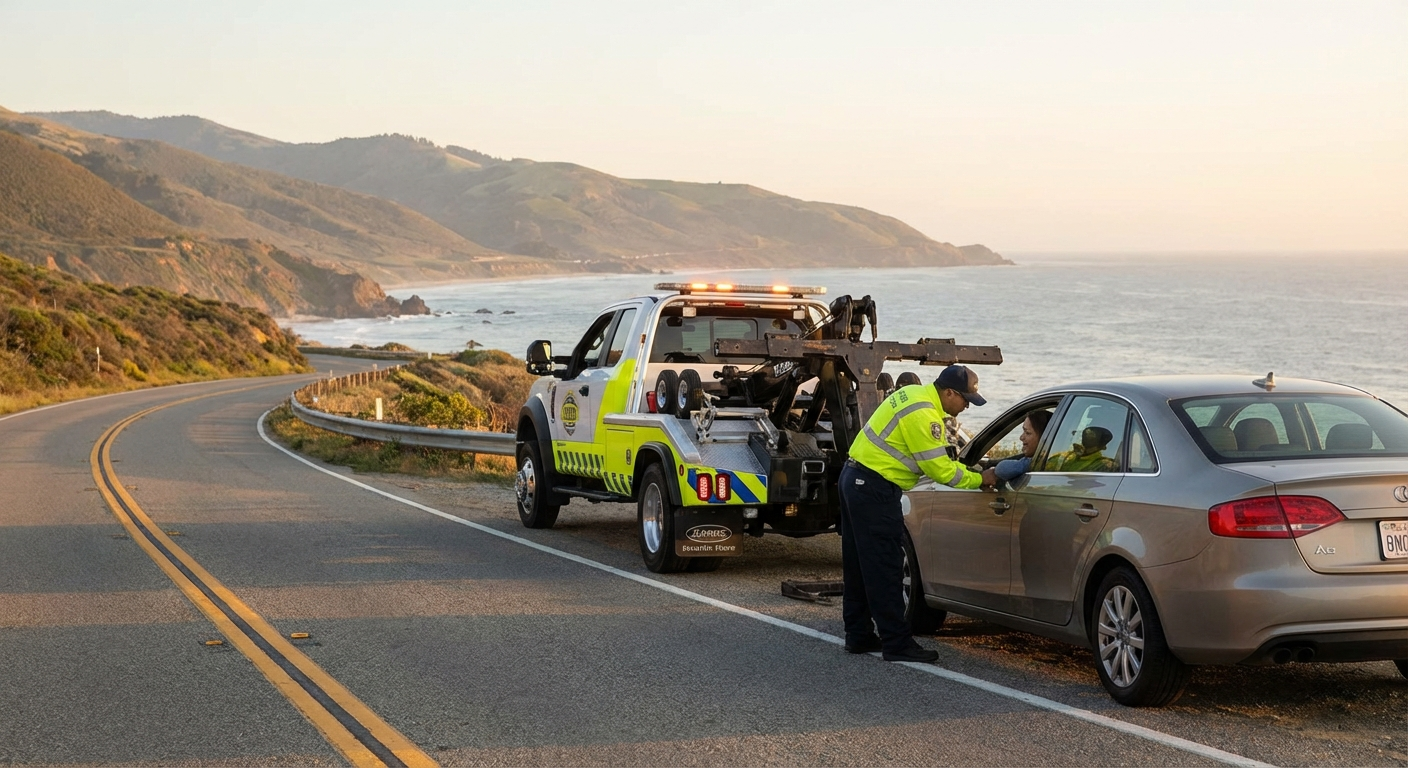
Before you just tick the box for roadside assistance, it pays to understand the details. Not all plans are created equal, and the fine print can make a big difference when you’re stranded.
One of the biggest factors is the **towing limit**. Many plans will cover a tow up to a certain distance – say, 10 or 15 miles – or up to a specific dollar amount. If you break down on a long stretch of highway, like the 58 through the Tehachapi Pass, and the nearest repair shop is 50 miles away, a 10-mile limit won’t get you very far. You’ll be on the hook for the remaining miles. Some plans offer more generous limits, or even unlimited mileage to the nearest qualified repair facility. Always check this.
Another thing to consider is the **number of service calls** allowed per year. Most policies offer 3 to 4 calls per policy term. For most drivers, that’s plenty. But if you have an older car that’s prone to issues, or you’re just particularly unlucky, you might need more.
Also, be aware of what’s *not* covered. Roadside assistance typically covers mechanical breakdowns, flat tires, dead batteries, and lockouts. It generally does *not* cover towing related to an accident – that’s usually covered by your collision insurance. And if your car breaks down in your driveway, they might not cover that either, as it’s not a “roadside” situation. Read the policy details so there are no surprises.
The Peace of Mind Factor: Who Benefits Most?
Honestly, the biggest benefit of roadside assistance isn’t always about the money saved. It’s about that feeling of security. Knowing that if something goes wrong, help is just a phone call away. That’s invaluable, especially for certain drivers.
Think about parents with young kids. Breaking down on the side of the road with a baby or a toddler in the car is a whole different level of stress. For them, the quick arrival of help isn’t just convenient; it’s a safety measure.
Older drivers often appreciate the reassurance too. They might not feel comfortable changing a tire themselves, or they might worry about waiting alone in an unfamiliar place. Roadside assistance means they don’t have to put themselves at risk.
And what about new drivers? Teenagers just learning the ropes can make mistakes – running out of gas, locking keys in the car. Having roadside assistance gives them (and their parents!) a safety net while they gain experience.
Even if you’re an experienced driver with a new car, life happens. A nail in the tire, a faulty sensor, an unexpected electrical issue. When you’re driving long distances across California – from San Diego to San Francisco, or commuting daily through heavy traffic like on the 405 – the chances of needing help go up. It’s a small expense for a big layer of protection, particularly when you’re miles from home.
Getting the Right Fit for Your California Drive
Finding the right roadside assistance option, and the right car insurance policy overall, can feel a bit overwhelming. There are so many companies, so many options, and every policy has its own quirks. That’s exactly why working with an independent insurance agent makes so much sense.
Someone like Karl Susman at LA Car Insurance Quotes – CA License #0B75129 – doesn’t work for just one insurance company. He works for you. He can compare different policies from various insurers, explain the towing limits, the service call specifics, and help you understand how roadside assistance fits into your overall coverage. He can help you find a plan that makes sense for your driving habits, your budget, and your peace of mind here in California.
Why guess when you can get clear answers? If you’re feeling lost in the insurance jargon, or just want to make sure you’re getting the best value, reach out.
Ready to explore your options for car insurance and roadside assistance? You can get a personalized quote right now: https://lacarinsurancequotes.com/quote/
Frequently Asked Questions About Roadside Assistance
Does my roadside assistance cover me if I’m not in my own car?
Not always. If you added roadside assistance to your specific car insurance policy, it generally applies to the insured vehicle. So, if you’re driving a friend’s car and it breaks down, your policy’s roadside assistance might not cover it. However, if you have a separate membership, like AAA, that membership usually covers *you* as the driver or passenger, regardless of whose car you’re in. Always check your specific policy or membership details.
What if I need a tow, but the nearest repair shop is really far away?
This is a big one. Most roadside assistance plans have a limit on how far they’ll tow for free – often 10, 15, or 20 miles, or up to a certain dollar amount. If your tow exceeds that limit, you’ll be responsible for the extra mileage cost. If you live in a rural area of California or frequently drive long distances, you might want to look for a policy with a more generous towing radius or even unlimited mileage to the nearest qualified repair shop.
Can I use roadside assistance for a flat tire if I don’t have a spare?
Yes, typically. If you have a flat tire and no spare, or your spare is also flat, most roadside assistance plans will tow your vehicle to the nearest tire shop or repair facility where the tire can be repaired or replaced. They won’t usually *provide* a new tire, but they’ll get your car to a place that can.
What’s the typical response time for roadside assistance in California?
Response times can vary a lot. It depends on where you are, the time of day, and how busy the local service providers are. If you’re stuck on the 405 during rush hour, it might take longer than if you’re on a less busy road in the middle of the day. Many services aim for an average response time of 30-60 minutes, but it’s not a guarantee. They’ll usually give you an estimated arrival time when you call.
Will using roadside assistance raise my insurance rates?
Usually, no. Using roadside assistance for common issues like a flat tire, dead battery, or lockout is generally considered a “no-fault” claim and doesn’t typically impact your insurance premiums. It’s meant to be used for these situations without penalty. However, repeated, excessive use might be reviewed by your insurer, but that’s rare.
Don’t let unexpected car troubles leave you stranded and stressed. Get a quote for car insurance with the right roadside assistance today: https://lacarinsurancequotes.com/quote/
This article is for informational purposes only and does not constitute financial advice.