
The Shifting Sands of California Car Insurance: A 2026 Outlook
Remember Mrs. Cheng? She lives in Fontana, out in the Inland Empire, and she’s been with the same car insurance company for over a decade. Her husband, Mr. Cheng, drives a well-loved Honda CR-V, and their daughter, Maya, just got her license last year. They’re a pretty typical California family, right? They pay their bills, they drive safely, and they expect their insurance to be there for them without too much fuss.
But lately, Mrs. Cheng has been getting a knot in her stomach every time a renewal notice arrives. Her premium jumped almost 30% between 2023 and 2025. She keeps wondering, “What happened? And what’s 2026 going to look like?”
She’s not alone. Across California, from the quiet streets of Ventura County to the bustling freeways of the Valley, drivers are seeing their car insurance landscape change dramatically. It’s a tough market, much tougher than it used to be. Fewer carriers are actively writing new policies, and when they do, the prices often feel like a punch to the gut. The easy-to-find, affordable coverage of yesteryear? That’s mostly gone, replaced by a more complex, more expensive reality.
This isn’t just about inflation, though that plays a part. It’s a unique California stew of regulations, risks, and a few insurers throwing up their hands. Prop 103, for all its good intentions, sometimes ties the hands of insurers, making it harder for them to adjust rates quickly enough to cover their costs. The result? Some companies simply leave or stop taking on new customers, which means less competition for you and me.
Why 2026 Feels Different for California Drivers
So, why this upheaval? Several big factors have combined to make insuring a car in the Golden State a real challenge. For starters, the cost of doing business has skyrocketed for insurers. Think about it: a simple fender bender isn’t so simple anymore. Car parts are more expensive, especially for newer vehicles packed with sensors and complex electronics. Finding skilled mechanics? That’s harder and pricier too. Labor costs have gone way up.
That’s not the whole story. California also faces unique risks. We’ve seen our share of devastating wildfires, like the ones that tore through parts of Los Angeles County in 2025. While those are often linked to homeowners insurance, they create ripple effects across the entire insurance industry. When insurers pay out massive claims on one side of their business, it can impact their willingness to take on risk – or their pricing – on the auto side. Plus, there are simply more cars on the road, more miles driven, and yes, more accidents. Each one of those claims adds up.
All these factors push rates up everywhere, whether you’re commuting through Sacramento or cruising along the coast in San Diego. It means finding *good* coverage – the kind that actually protects you when you need it – has become a whole lot harder than just finding *any* coverage.

Who’s Still Playing Ball? Top Contenders for Your California Car Insurance Dollar
Mrs. Cheng tried a few online quotes. She typed in her family’s info, hit enter, and mostly got silence or astronomical numbers. That’s a common experience these days. The companies that were once super competitive for everyone? Many have tightened their belts.
But there are still players in the California market, and some are doing a better job than others at offering options. It just might take a bit more digging to find them.
Let’s talk about some of the names you’ll likely still see in 2026:
* **AAA:** For many California families, AAA has been a constant. They’re not just about roadside assistance anymore. Their insurance arm often offers competitive rates, especially for members who bundle home and auto. They tend to be strong for drivers with a clean record and those who value loyalty discounts. For the Cheng family, with Maya just starting out, AAA might offer a good multi-car discount if they move their home insurance over, too.
* **State Farm:** You’ll find a State Farm agent in just about every California town. They’re a giant, and they’ve weathered a lot of market changes. Their strength often lies in their local agent network, which can be a real plus if you prefer talking to a person face-to-face and building a relationship. They’re usually pretty stable, even if their rates aren’t always the absolute lowest.
* **Farmers:** Another big name with a strong agent presence. Farmers is known for offering a wide range of coverage options and often has programs for specific groups, like educators or certain professions. They can be a good choice for those who need more tailored policies or have unique situations.
* **GEICO and Progressive:** These online powerhouses are still active, but they might be pickier than they used to be. For drivers with perfectly clean records and specific vehicle types, they *can* still offer good prices. But here’s the thing: if you have even a minor ding on your record, or live in a higher-risk ZIP code, their quotes might not be as friendly as you remember.
* **Mercury Insurance:** A California-based insurer, Mercury has often been a strong contender, particularly for drivers who maintain a good record. They understand the California market intimately, which can sometimes translate into better options.
* **Wawanesa:** This company has a reputation for being strong for drivers with good records. They’re often a quiet performer, not always the loudest advertiser, but consistently offer solid coverage and competitive rates to their target demographic.
Which brings up something most people miss. Sometimes, the “best” company isn’t the one you see advertised during the Super Bowl. It might be a smaller, regional carrier that has a specific appetite for drivers in your area or with your driving history. That’s where it gets interesting.
Beyond the Big Names: What Really Makes an Insurer “Best” in CA?
Mrs. Cheng’s initial thought was simple: *find the cheapest rate*. That’s natural, right? But the real answer is more complicated. The “best” car insurance company in California for *you* in 2026 won’t just be the cheapest. It’ll be the one that hits a few key notes:
* **Claims Service:** This is huge. When you get into an accident, or your car is stolen, you don’t want to fight your own insurance company. You want them to be responsive, fair, and quick. Ask around. Check online reviews specifically about claims handling. A cheap policy that doesn’t pay out when you need it? That’s not cheap at all.
* **Customer Service:** Can you get a real person on the phone? Do they answer your questions clearly? The frustration of navigating automated phone trees or getting canned responses is real.
* **Financial Stability:** Especially with all the market flux, you want an insurer that’s financially sound. You want them to be around and capable of paying claims years from now.
* **Discount Opportunities:** Are there ways to save? Multi-car discounts, good driver discounts, home/auto bundling, student discounts, anti-theft device discounts. These add up.
* **Coverage Options:** Does the policy actually protect you? Basic liability is the minimum, but what about uninsured/underinsured motorist (UM/UIM) coverage? Medical payments? Rental car reimbursement? These are the layers that truly protect your finances.
The Secret Weapon: An Independent Agent in 2026 California
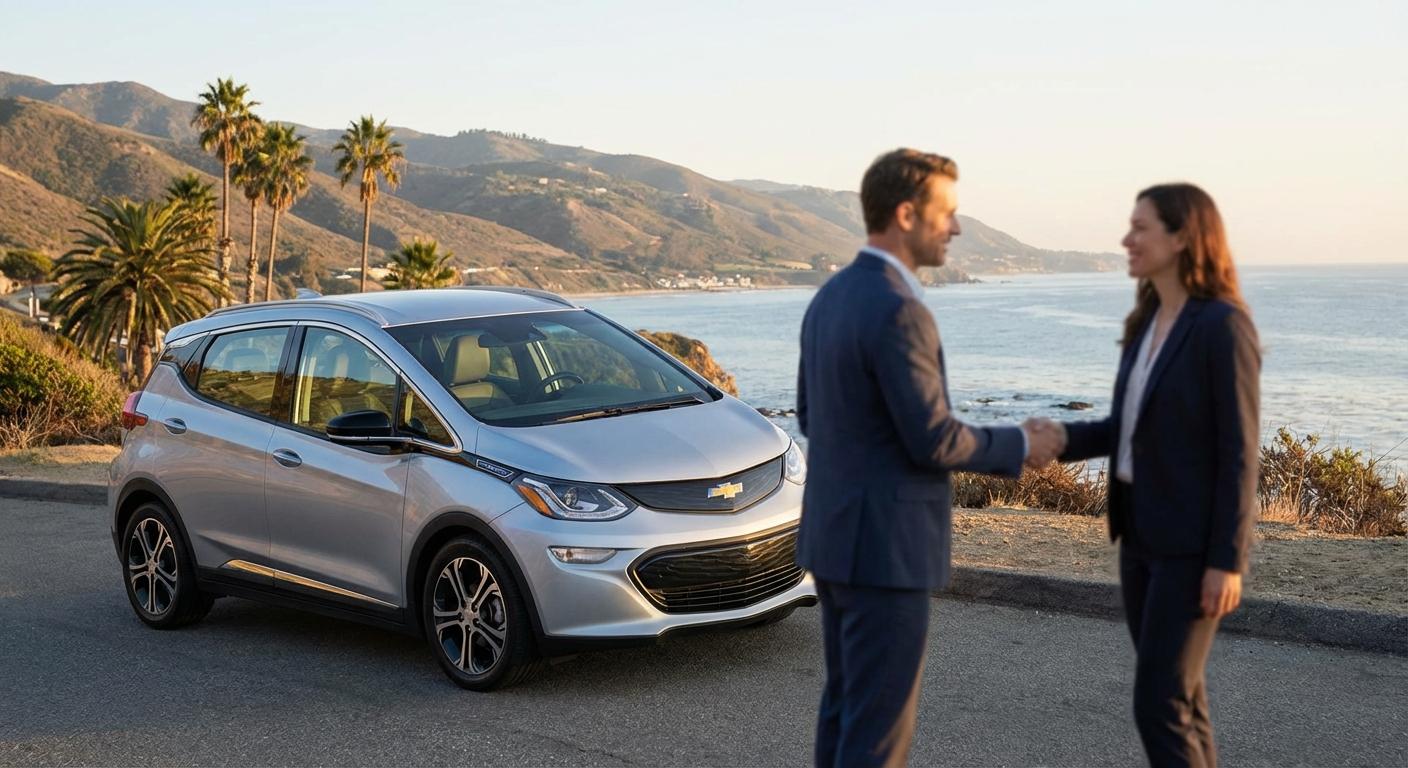
After hitting a wall with online quotes, Mrs. Cheng felt pretty defeated. That’s when her neighbor, Mr. Rodriguez, mentioned his insurance agent, Karl Susman. “He helped me find something when no one else would,” Mr. Rodriguez told her.
Here’s why an independent agent like Karl Susman is your secret weapon in this tricky 2026 California market. They don’t work for one company. They work for *you*. They have relationships with multiple insurers – sometimes dozens of them, including those smaller, regional carriers you might not even know exist. They can shop around on your behalf, comparing policies, rates, and coverage options from a variety of companies.
Think of it this way: instead of you having to fill out the same information over and over on different websites, an independent agent does that legwork for you. They understand the nuances of California insurance law, what different carriers look for, and how to find the sweet spot between coverage and cost.
Karl Susman, of LA Car Insurance Quotes, with CA License #0B75129, has seen it all. He knows the ins and outs of the market, which companies are currently competitive for different driver profiles, and how to piece together the best protection. He helped the Chengs understand why their rates had jumped and then found them a policy with Wawanesa that offered better UM/UIM limits *and* saved them a few hundred dollars a year. That’s a big difference.
Navigating Rate Hikes and Policy Changes
It’s easy to feel helpless when your rates go up. But you’re not entirely powerless. Common reasons for increases include general inflation, rising claims costs, and sometimes, changes to your credit score (though California limits how much that can affect you). Even a minor fender bender in Santa Monica can sting more than a similar incident in Bakersfield due to regional claim severity.
You can fight back. Always compare. Don’t just accept your renewal notice. Ask about every discount under the sun. Consider raising your deductibles if you have a solid emergency fund – but be careful here; make sure you can afford that out-of-pocket cost if you have an accident.
If you’re feeling overwhelmed by the choices or just want a clear path forward, reaching out to an expert makes all the difference. Get a personalized quote today and see what options are out there for you: https://lacarinsurancequotes.com/quote/
Preparing for What’s Next: Insurance in a Changing Golden State
California’s always been a trendsetter, and car insurance here is no different. We’re seeing more electric vehicles, more cars with advanced safety features, and a constant dance between insurers and state regulators. The market will keep evolving. Maybe autonomous features will eventually lower accident rates, or perhaps they’ll introduce new kinds of liability. It’s hard to say for sure.
What we do know is that being informed and having a trusted advisor on your side will continue to be your best strategy. The Chengs, now with their new policy, feel a lot better. They know they’re covered, they understand their policy, and they’ve got Karl Susman’s number handy. That peace of mind? It’s priceless.
Don’t just settle for the first quote you find. California’s insurance market is too dynamic for that. Explore your options and make sure you’re getting the right coverage at a fair price. Start your personalized quote process here: https://lacarinsurancequotes.com/quote/
Frequently Asked Questions About California Car Insurance in 2026
Why are California car insurance rates so high compared to other states?
California has a unique combination of factors driving up rates. We have dense traffic, higher costs for car repairs and medical care after accidents, and a regulatory environment (like Proposition 103) that can sometimes slow down how quickly insurers can adjust rates to cover their costs. This can lead to insurers being more cautious or pulling back from the market, which reduces competition and can push prices up.
Can my credit score affect my car insurance rates in California?
Unlike many other states, California has restrictions on how much insurers can use credit scores to determine car insurance premiums. While it might still be a factor for some companies in specific situations, it’s not as big of a driver of rates here as it is elsewhere. Your driving record, where you live, and the type of car you drive usually have a much bigger impact.
What’s the best way to save money on car insurance in California?
The best strategy involves a few steps: maintaining a clean driving record, asking about every possible discount (good driver, multi-car, home/auto bundle, student, anti-theft), and carefully considering your deductibles. The most impactful step, however, is to shop around and compare quotes from multiple insurers. An independent agent can do this efficiently for you.
Do I really need full coverage in California?
California law only requires liability insurance. “Full coverage” isn’t a legal term, but it generally refers to adding comprehensive and collision coverage. If your car is financed or leased, your lender will almost certainly require you to have comprehensive and collision. Even if you own your car outright, these coverages protect your investment against damage from accidents, theft, fire, or natural disasters. It’s often worth it for peace of mind, especially if your car is relatively new or valuable.
This article is for informational purposes only and does not constitute financial advice.